
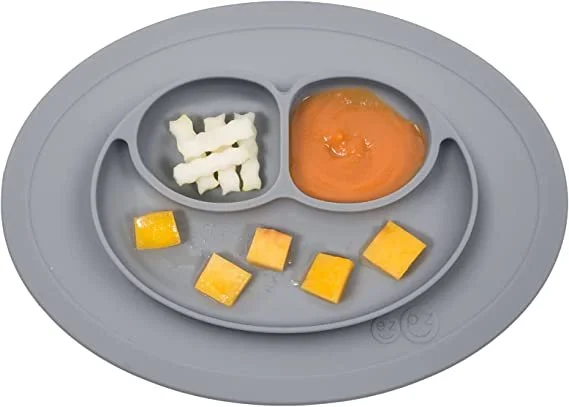
From Purées to Pears: The Ultimate Guide to Infant Texture Progression
When your baby takes those first bites of solid food at around six months, it’s easy to feel like you’ll be stuck in "Stage 1" purée land forever. But according to the latest evidence from experts like Solid Starts and the Dietitians of Canada, the "texture window" is shorter and more important than we once thought.
Advancing textures isn't just about nutrition; it’s about oral-motor development, speech skills, and preventing picky eating later on. Here is how to navigate the shift from smooth to solid.
1. The "Critical Window" (6 to 9 Months)
Evidence shows there is an optimal window for introducing chewable food between 6 and 9 months of age. According to Solid Starts and recent pediatric studies, waiting until after 10 months to introduce lumpy or finger foods can actually increase the risk of feeding refusal and picky eating.
The take-home: You don't need to wait for teeth! A baby’s gums are incredibly strong and designed to "mush" soft foods long before their molars arrive.
2. Signs of Readiness: When to Level Up
Before you change textures, look for these developmental milestones:
The "Munching" Motion: You see your baby’s jaw moving up and down when they eat.
Tongue Lateralization: They start moving food from the center of their mouth to the sides (this is the precursor to chewing).
Pincer Grasp: Around 8–10 months, they begin picking up small bits of food with their thumb and forefinger.
Interest: They are reaching for your food or trying to grab the spoon.
3. The Texture Roadmap
While every baby is different, here is the evidence-based progression recommended by the Dietitians of Canada and BLW experts:
Phase 1: The Foundation (6 Months)
Textures: Smooth purées, thick mashes, or "resistible" finger foods (like a large, tough mango pit or a strip of well-done steak that they can suck on but not break off).
Focus: Iron-rich foods. Dietitians of Canada emphasize that iron stores deplete by 6 months. Think pureed meats, lentils, or iron-fortified cereals.
BLW Tip: If skipping purées, offer food in long, finger-sized strips (about the size of two adult fingers) so the baby can easily grasp them with their palm.
Phase 2: The "Lumpy" Bridge (7–8 Months)
Textures: Fork-mashed foods (avocado, sweet potato), minced meats, and "meltable" solids (like puffed grain snacks that dissolve instantly).
The Goal: Moving away from completely smooth textures. Even if you started with spoon-feeding, Dietitians of Canada recommend introducing lumpy textures no later than 9 months.
Phase 3: Bite-Sized Exploration (9–12 Months)
Textures: Small, bite-sized pieces (chickpea-sized) of soft-cooked vegetables, soft fruits, and tender meats.
Focus: Refining the pincer grasp. This is the time to transition to "table foods"—the same healthy meals the rest of the family is eating, just modified for salt and safety.
4. Addressing the Big Fears: Gagging vs. Choking
One of the biggest hurdles to texture progression is fear. It is vital to know the difference:
Gagging is Normal: It is a safety reflex. The baby may cough, turn red, or make a retching sound. This is their body learning how to handle a new texture.
Choking is Silent: This is an emergency where the airway is blocked.
Pro-Tip from Solid Starts: To reduce choking risk, always ensure food is soft enough to squish between your thumb and forefinger and avoid high-risk shapes (like whole grapes or round hot dog coins—always slice these lengthwise).
5. Emerging Evidence: Early Allergen Introduction
New research (such as the LEAP study) has flipped the old "wait and see" approach on its head. Emerging evidence suggests that introducing common allergens (peanut, egg, dairy) as early as 6 months can significantly reduce the risk of developing allergies.
The Texture Twist: Never give whole nuts. Instead, thin out peanut butter with water or breastmilk into a smooth drizzle, or mix it into a mash your baby has already mastered.
The Bottom Line
Texture progression is a dance, not a race. By following your baby's lead and leaning into "finger-sized" and "lumpy" foods early, you are setting the stage for a confident, adventurous eater.
When your baby takes those first bites of solid food at around six months, it’s easy to feel like you’ll be stuck in "Stage 1" purée land forever. But according to the latest evidence from experts like Solid Starts and the Dietitians of Canada, the "texture window" is shorter and more important than we once thought.
Advancing textures isn't just about nutrition; it’s about oral-motor development, speech skills, and preventing picky eating later on. Here is how to navigate the shift from smooth to solid.
1. The "Critical Window" (6 to 9 Months)
Evidence shows there is an optimal window for introducing chewable food between 6 and 9 months of age. According to Solid Starts and recent pediatric studies, waiting until after 10 months to introduce lumpy or finger foods can actually increase the risk of feeding refusal and picky eating.
The take-home: You don't need to wait for teeth! A baby’s gums are incredibly strong and designed to "mush" soft foods long before their molars arrive.
2. Signs of Readiness: When to Level Up
Before you change textures, look for these developmental milestones:
The "Munching" Motion: You see your baby’s jaw moving up and down when they eat.
Tongue Lateralization: They start moving food from the center of their mouth to the sides (this is the precursor to chewing).
Pincer Grasp: Around 8–10 months, they begin picking up small bits of food with their thumb and forefinger.
Interest: They are reaching for your food or trying to grab the spoon.
3. The Texture Roadmap
While every baby is different, here is the evidence-based progression recommended by the Dietitians of Canada and BLW experts:
Phase 1: The Foundation (6 Months)
Textures: Smooth purées, thick mashes, or "resistible" finger foods (like a large, tough mango pit or a strip of well-done steak that they can suck on but not break off).
Focus: Iron-rich foods. Dietitians of Canada emphasize that iron stores deplete by 6 months. Think pureed meats, lentils, or iron-fortified cereals.
BLW Tip: If skipping purées, offer food in long, finger-sized strips (about the size of two adult fingers) so the baby can easily grasp them with their palm.
Phase 2: The "Lumpy" Bridge (7–8 Months)
Textures: Fork-mashed foods (avocado, sweet potato), minced meats, and "meltable" solids (like puffed grain snacks that dissolve instantly).
The Goal: Moving away from completely smooth textures. Even if you started with spoon-feeding, Dietitians of Canada recommend introducing lumpy textures no later than 9 months.
Phase 3: Bite-Sized Exploration (9–12 Months)
Textures: Small, bite-sized pieces (chickpea-sized) of soft-cooked vegetables, soft fruits, and tender meats.
Focus: Refining the pincer grasp. This is the time to transition to "table foods"—the same healthy meals the rest of the family is eating, just modified for salt and safety.
4. Addressing the Big Fears: Gagging vs. Choking
One of the biggest hurdles to texture progression is fear. It is vital to know the difference:
Gagging is Normal: It is a safety reflex. The baby may cough, turn red, or make a retching sound. This is their body learning how to handle a new texture.
Choking is Silent: This is an emergency where the airway is blocked.
Pro-Tip from Solid Starts: To reduce choking risk, always ensure food is soft enough to squish between your thumb and forefinger and avoid high-risk shapes (like whole grapes or round hot dog coins—always slice these lengthwise).
5. Emerging Evidence: Early Allergen Introduction
New research (such as the LEAP study) has flipped the old "wait and see" approach on its head. Emerging evidence suggests that introducing common allergens (peanut, egg, dairy) as early as 6 months can significantly reduce the risk of developing allergies.
The Texture Twist: Never give whole nuts. Instead, thin out peanut butter with water or breastmilk into a smooth drizzle, or mix it into a mash your baby has already mastered.
The Bottom Line
Texture progression is a dance, not a race. By following your baby's lead and leaning into "finger-sized" and "lumpy" foods early, you are setting the stage for a confident, adventurous eater.